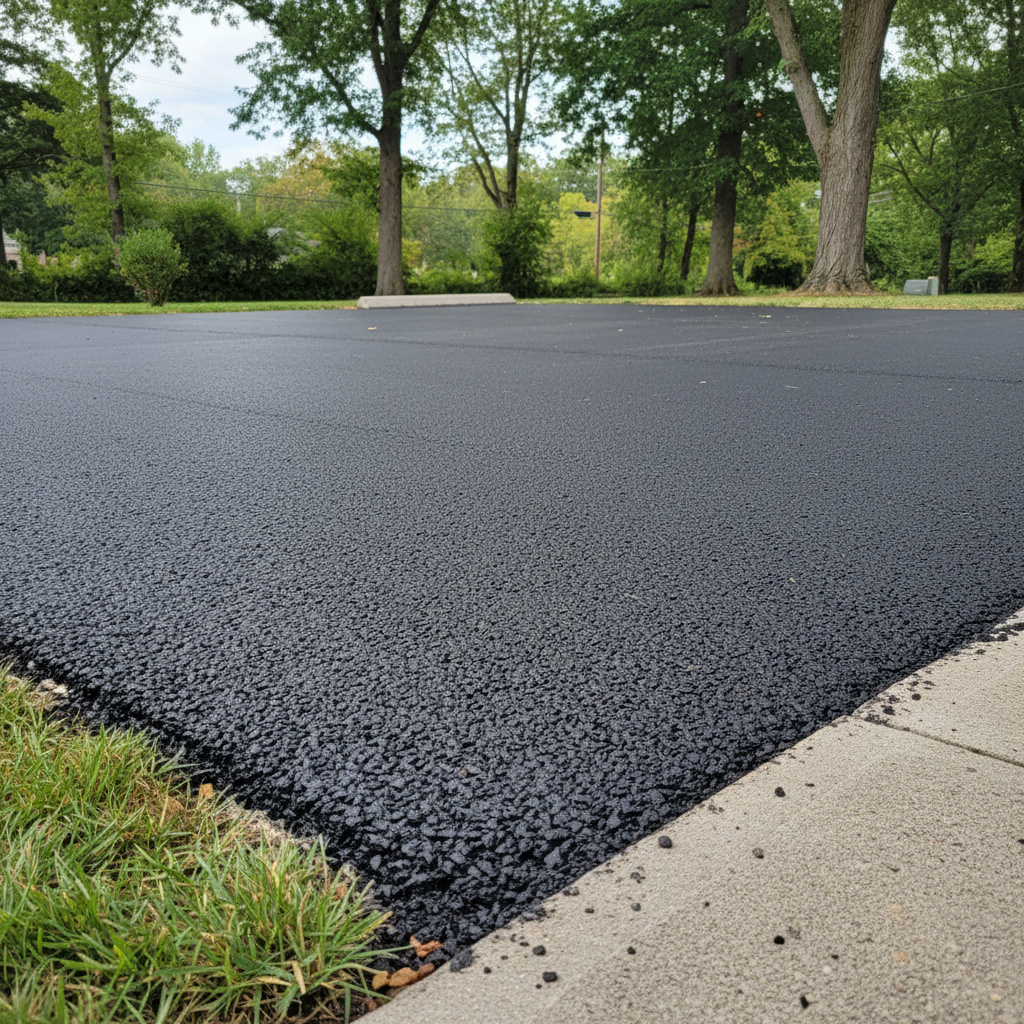
Is Commercial Asphalt Right for Your Home?
Let's talk about commercial asphalt for your home. Now, I know what you're thinking – "commercial" sounds like it's just for big businesses. But here in Cincinnati, especially with some of those longer, steeper driveways you see in places like Mount Lookout or Anderson Township, a commercial-grade asphalt application can be a real game-changer for a homeowner. It's tougher, lasts longer, and handles heavy use way better than standard residential stuff. We're talking about driveways that see a lot of traffic, maybe you've got an RV, or you just want something that's going to stand up to our brutal Ohio winters and those freeze-thaw cycles that tear up everything.
The main difference? Thickness and the mix itself. Commercial jobs usually get a thicker base and surface layer, and often a more robust aggregate mix designed for heavier loads and constant wear. It's an investment, for sure, but one that pays off in durability.
Before the Shovel Hits the Dirt: Planning Your Project
Alright, so you're considering it. What do you need to do before anyone even thinks about laying asphalt?
Define Your Needs: What's this area going to be used for? Just parking a couple of cars? Or do you need space for a boat, a work truck, or even a small basketball court? This dictates the size and thickness.
Check Local Codes: This is huge. Cincinnati has zoning and permitting rules. You don't want to get halfway through a project only to find out you're in violation. A good contractor, like us at Quantum Asphalt Solutions, will help you navigate this, but it's always smart to have an idea yourself.
Budget Realistically: Commercial-grade asphalt isn't cheap, but it's worth it. Get a few quotes. Don't just go for the cheapest bid; ask what they're including. Are they doing proper excavation? What about drainage? That's critical here in Cincinnati with our clay soils and heavy rains. Poor drainage will ruin even the best asphalt job.
DIY vs. Pro: Can you do any of this yourself? Maybe some minor clearing or marking out the area. But honestly, for anything involving heavy machinery, proper grading, and laying asphalt, you need a professional. This isn't a weekend warrior project. You'll spend more fixing mistakes than you would have hiring someone right from the start.
During the Project: What to Expect
Once you've picked your contractor and the project kicks off, here's what you'll typically see:
Excavation and Grading: They'll dig out the old stuff or prepare the new area. This is where proper slope for drainage is established. You want water running away from your house, not pooling on your new surface.
Base Layer: A solid, compacted aggregate base is crucial. Think of it as the foundation. If this isn't done right, your asphalt won't last. They'll use heavy rollers to get it packed down tight.
Asphalt Application: This is the exciting part. Hot asphalt gets laid down in layers, typically two for a commercial-grade home application – a binder course and a surface course. It's hot, it's smelly, and it needs to be worked quickly and precisely. You'll see pavers and rollers doing their thing.
Compaction: More rolling! This compacts the asphalt to its final density, making it strong and smooth.
Your role during this? Stay out of the way, ask questions if you have them, and make sure lines of communication are open with your contractor. Don't let your kids or pets wander onto the site – that hot asphalt is no joke.
After the Asphalt is Down: Maintenance and Longevity
Okay, the crew's packed up, and you've got a beautiful new asphalt surface. Now what? Proper care is key to making that investment last.
Curing Time: Don't drive on it immediately! Your contractor will give you specific instructions, but usually, it's 2-3 days before light traffic and a week or more for heavy vehicles. The asphalt needs to cure and harden properly.
Sealcoating: This is your best friend for asphalt longevity. I recommend sealcoating every 2-4 years, depending on traffic and sun exposure. It protects against UV rays, water penetration, and chemicals like oil and gas. It's like sunscreen for your driveway. You can try to do this yourself for smaller areas, but getting a consistent, even coat on a larger commercial-grade surface is tough. Most homeowners find it's better to hire this out.
Crack Repair: Don't ignore small cracks. Water gets in, freezes, expands, and turns a small crack into a big pothole. Fill them promptly. You can buy crack filler at hardware stores for minor cracks, but for anything significant, or if you're seeing a lot of them, call a pro. They have better materials and techniques.
Keep it Clean: Sweep off debris, especially gravel or sharp objects that can damage the surface. Clean up oil or gas spills immediately. A little soap and water usually do the trick.
A well-installed and maintained commercial-grade asphalt driveway can easily last 20-30 years, even with Cincinnati's weather throwing everything it's got at it. It's about making smart choices upfront and then taking care of it. If you've got questions or need a quote, give Quantum Asphalt Solutions a call. We're always happy to talk asphalt.